

Best Water Softener for Well Water
Table of Contents
- Why Well Water Needs Different Softening Solutions
- Quick Comparison: Top Water Softeners for Well Water
- Water Softener for Well Water With Iron: Lifeguard Well Water Filter & Softener
- High-Efficiency Option: Soft Water System
- Well Water Testing for Hardness: How to Measure Before You Buy
- Water Softener Sizing Calculator: Matching Capacity to Your Household
- Water Softener Installation Cost and What to Expect
- Frequently Asked Questions
Last Updated: October 11, 2026
Why Well Water Needs Different Softening Solutions
Well water presents unique challenges municipal systems don't face. You're responsible for treating whatever comes up from underground, including hard water minerals like calcium and magnesium, plus iron, manganese, and sulfur odors that city water users rarely encounter.

Standard softeners designed for city water often fail on well water with iron, it clogs the resin bed, sulfur odors persist, and sediment builds up inside the tank. Finding the best water softener for well water means choosing a system engineered specifically for well water contaminants.
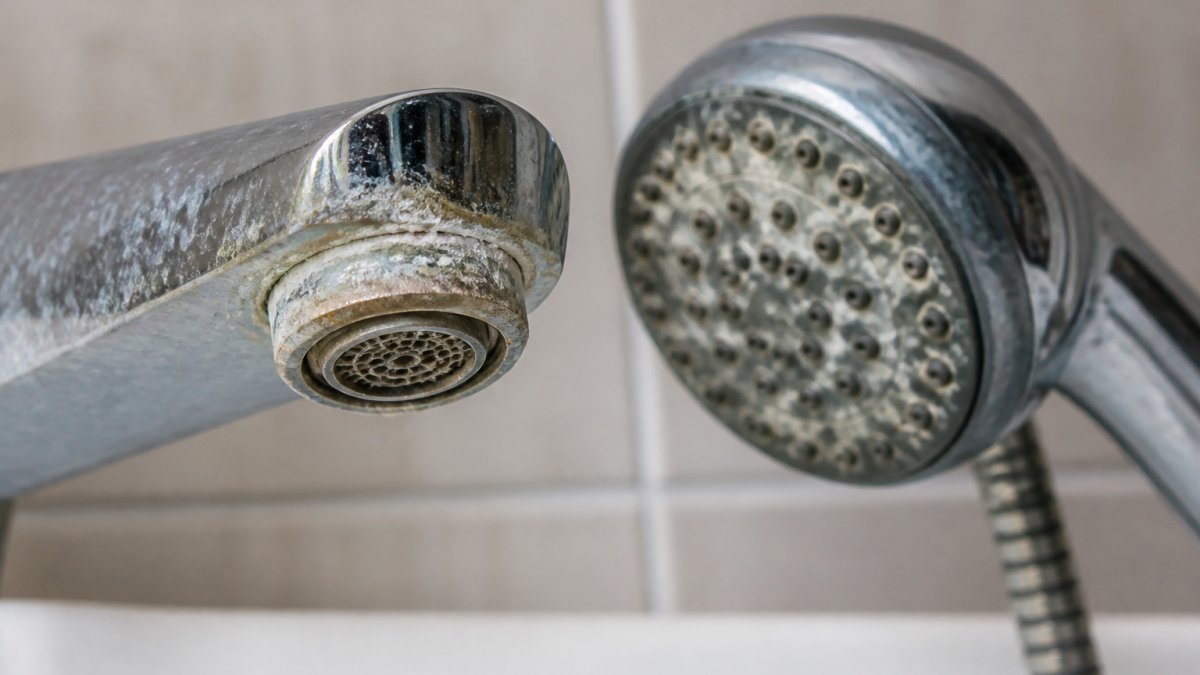
Most homeowners make their first mistake here: buying the cheapest softener online, only to discover six months later it doesn't handle their specific water chemistry. The solution always starts with understanding what's actually in your water.
Quick Comparison: Top Water Softeners for Well Water
| System | Price | Best For | Key Advantage |
|---|---|---|---|
| Lifeguard Well Water Filter & Softener | $3,500 | High iron, manganese, sulfur | 8-stage filtration, iron removal up to 30ppm |
| Soft Water System | $1,900 | Budget-conscious households | 60% less salt and water use |
| Carbon Softener System | $2,600 | Moderate iron, chlorine removal | Built-in carbon and KDF filtration |
| Well Water Iron Filter | $2,100 | Iron-only problems | Standalone iron removal, salt-free |
Choose based on your water chemistry: iron only → Well Water Iron Filter; hardness + iron → Lifeguard Well Water Filter & Softener; budget-conscious without severe iron → Soft Water System.

Water Softener for Well Water With Iron: Lifeguard Well Water Filter & Softener
The Lifeguard Well Water Filter & Softener is our top recommendation for well water with iron contamination. It combines an iron filter with a high-efficiency softener in a single system, addressing the two most common well water problems simultaneously.
The system uses 8-stage filtration: the first tank removes iron, manganese, sulfur, sediment, and heavy metals using KX900 media and MAX Air-Jet oxidation; the second tank softens water with coconut carbon and KDF filtration.
It removes iron up to 30ppm (covering most residential situations) with automatic nightly backwashing that prevents iron buildup. Expect 10-12 year lifespan on the filter tank.
At $3,500, it's a significant investment, but for households with serious iron problems, it can help avoid constant maintenance and early replacement costs of undersized systems.
High-Efficiency Option: Soft Water System
The Soft Water System delivers professional-grade softening with exceptional efficiency. It uses 60% less salt and 60% less water compared to older softener designs, which translates to real savings on salt purchases and water waste.
This system works best for well water without severe iron problems (below 5ppm). Precision brine regeneration adjusts automatically based on actual water usage, so you're never regenerating more than necessary.
The system comes in three sizes: 34K grain ($1,900) for 1-4 bathrooms, 64K grain for 4-6 bathrooms, and 86K grain for 6-8 bathrooms. All include hardness tester and battery backup.
Everything arrives filled, tested, and ready to use. Five-year warranty and NSF Certified Components, Gold Seal Media Inside.
Well Water Testing for Hardness: How to Measure Before You Buy
Testing your water before buying is non-negotiable. Results determine which softener you need and whether you need pre-filtration, iron removal, or post-filtration. Skipping this step leads to systems that can't handle your specific water chemistry.
Step 1: Test for Hardness (Required)
Hardness is the baseline, measured in grains per gallon (GPG) or parts per million (PPM). Use test strips (included with most kits) or order a professional kit. Anything above 7 GPG is hard water; most well water falls between 10-25 GPG.
- Below 7 GPG: You may not need a softener at all. Consider a simple sediment or carbon filter instead.
- 7-15 GPG: Standard softener capacity (34K-64K grains) handles this range for families of 4-6.
- Above 15 GPG: You need a larger capacity system (64K-96K grains) or more frequent regeneration cycles.
White deposits on faucets, soap that won't lather, and stiff laundry are signs of hardness above 15 GPG.
Step 2: Test for Iron (Critical for Well Water)
Iron destroys standard softeners by clogging the resin bed and reducing capacity by 30-50% within months. Test for iron separately from hardness.
Iron appears in two forms: Ferrous iron (dissolved) turns orange/brown when exposed to air, most common in well water; Ferric iron (visible) shows rust particles immediately and requires sediment filtration before softening.
Use a simple iron test strip ($5-10) to detect presence. For exact iron concentration, send a sample to a certified water testing lab ($30-75). Most labs provide a full mineral analysis in 5-7 business days.
How iron levels change your system choice:
- Below 3 ppm: A standard softener (like the Soft Water System) handles iron without additional equipment.
- 3-10 ppm: You need a softener with built-in iron removal or a separate iron filter upstream. The Lifeguard Well Water Filter & Softener is designed for this range.
- Above 10 ppm: A dedicated iron removal system must be installed before the softener. Softening alone will fail.
Step 3: Test for Sulfur, Manganese, and pH (Conditional)
These tests are necessary only if you notice specific problems: Sulfur odor requires specialized media (Lifeguard includes it; basic softeners don't); Manganese (black staining) requires iron-removal media; Low pH (below 6.5) requires a separate pH adjustment system ($400-800).
Step 4: Sediment and Bacteria (If Applicable)
If water is visibly cloudy or you have a contamination history, test for sediment and bacteria. Sediment requires a 5-20 micron filter upstream; bacteria requires UV treatment or chlorination before softening.
The Testing Decision Tree
- Hardness only → Standard softener (Soft Water System).
- Hardness + iron below 5 ppm → Softener with built-in iron removal (Lifeguard).
- Hardness + iron above 5 ppm + sulfur → Multi-stage system (Lifeguard) with pre-filtration.
- Iron only → Standalone iron filter.
- Low pH → Add pH adjustment system before softener.
- Bacteria or high sediment → Add sediment filter and UV/chlorination before softening.
A water test can help prevent purchasing a system that won't solve your problem.
Lifeguard Well Water Filter & Softener →
Water Softener Sizing Calculator: Matching Capacity to Your Household
System capacity is measured in grains. Too small and you'll regenerate every 1-2 days, wasting salt; too large and you overpay for unused capacity. The right size balances cost and efficiency.
The Sizing Formula
Daily hardness load (grains) = Daily water usage (gallons) × Hardness level (GPG) × 1.2 (safety margin)
The 1.2 multiplier accounts for peak usage days and ensures the system doesn't run out of capacity mid-cycle.
Worked Example: Family of Four with 18 GPG Hardness
Daily water usage: 4 people × 80 gallons = 320 gallons. Daily hardness load: 320 × 18 × 1.2 = 6,912 grains. Weekly capacity: 6,912 × 7 = 48,384 grains. The Soft Water System's 64K grain model fits this scenario. For 10-day regeneration, you'd need the 86K grain model.
Second Example: Household with High Iron and Higher Hardness
Family of five with 22 GPG hardness and 8 ppm iron: Daily usage 400 gallons, daily load 10,560 grains, weekly 73,920 grains. Iron reduces capacity by 25%, requiring 98,560 grains total. The Lifeguard's 96K grain configuration is appropriate; its separate iron removal stage prevents fouling.
Capacity by Household Size and Hardness
Use this table as a quick reference after calculating your daily load:
| Household Size | Hardness 10-12 GPG | Hardness 13-18 GPG | Hardness 19-25 GPG |
|---|---|---|---|
| 1-2 people | 34K grains | 48K grains | 64K grains |
| 3-4 people | 48K grains | 64K grains | 86K grains |
| 5-6 people | 64K grains | 86K grains | 96K+ grains |
| 7+ people | 86K grains | 96K+ grains | 128K+ grains |
This table assumes weekly regeneration and no iron present. If iron is above 5 ppm, move up one column. If you want to regenerate every 10 days instead of weekly, move up one column.
Why Undersizing Fails
A system regenerating every 2-3 days instead of weekly uses more salt, wears resin faster, and risks hardness breakthrough that damages appliances.
Account for Peak Usage
The formula above uses average daily usage. But households have peak days: laundry day, guests visiting, or a teenager's long shower. Peak usage can spike 30-50% above average.
Professional Sizing Help
If your water chemistry is complex (high iron, low pH, manganese, or sulfur present), or if you're unsure about your daily usage, contact a water treatment specialist. Most provide free sizing consultations and can account for contaminants that reduce resin effectiveness. The Water Softener Company team can help you match the right capacity to your specific situation at no charge.
Water Softener Installation Cost and What to Expect
Installation costs vary by complexity. Well water installations often require additional equipment and plumbing work.
Budget for professional well water installation if you need new piping or the system sits far from your main water line. If your plumbing is already set up for a water treatment system, installation may be less complex. Our systems arrive ready to use and include bypass assemblies, so the actual installation is straightforward for handy homeowners.
Many homeowners install systems themselves. The Soft Water System and Carbon Softener System are designed for easy installation. The Lifeguard Well Water Filter & Softener is heavier and more complex, so professional installation is worth considering.

Factor in ongoing maintenance costs. Salt for regeneration is an ongoing cost. The Soft Water System uses up to 60% less salt and water compared to older softeners. Filter replacement on the Lifeguard happens every 10-12 years.
Well water demands a softener engineered for what's actually in your water. The Lifeguard Well Water Filter & Softener is the best water softener for well water, removing iron, manganese, sulfur, and hardness in one system for households with complex well water chemistry. For simpler situations, the Soft Water System delivers efficiency and savings. Test your water, calculate your household capacity, and match the system to your actual needs. Get started with The Water Softener Company and enjoy clean, soft water that protects your appliances and improves your daily living.
Frequently Asked Questions
Do I need an iron filter with a water softener for well water?
Yes, if your well water contains iron, manganese, or sulfur, you need a dedicated iron filter before or alongside your water softener. A softener alone cannot remove these contaminants effectively. The Lifeguard Well Water Filter & Softener combines both stages, filtering iron up to 30 ppm and removing manganese and sulfur odor without chemicals, then softening the hardness minerals that cause limescale and staining.
How do I know if my well water is hard and what hardness level do I need to test for?
Test your well water using hardness test strips, which measure calcium and magnesium content in parts per million (ppm) or grains per gallon (gpg). Water below 60 ppm is soft; 61-120 ppm is moderately hard; 121-180 ppm is hard; above 180 ppm is very hard. All systems include hardness test strips to establish your baseline. Hard water causes limescale, staining on fixtures, and reduces appliance lifespan, so testing tells you exactly what capacity you need.
Can a water softener remove sulfur or sediment from well water?
A standard water softener removes hardness minerals only. Sediment, sulfur odor, iron, and manganese require pre-filtration. The Lifeguard Well Water Filter & Softener handles all of these with an 8-stage filtration system: the iron filter removes sediment, iron, manganese, and sulfur before water reaches the softening stage. If you have high iron or sediment, install the Well Water Iron Filter first, then add a softener for hardness removal.
What is the total cost of ownership for a well water softener system?
Initial system cost ranges from $1,900 to $3,500 depending on household size and iron content. Add ongoing salt costs, occasional resin replacement, and minimal service. The Soft Water System saves up to 60% on salt and water compared to older units, reducing long-term expenses. This can lead to savings through lower water heating costs and extended appliance lifespan.