

The Complete Guide to Water Softener Maintenance Costs
Last Updated: October 25, 2026
Quick Summary
Water softener maintenance costs range from $100 to $900 annually, depending on water usage, system type, and whether you DIY or hire professionals. Most homeowners spend $100-$300 per year for salt-based systems, with salt replenishment being the largest recurring expense at $50-$150 annually.
- Salt replenishment costs $50-$150 per year and is the largest recurring maintenance expense for most homeowners.
- Professional annual inspections run $150-$300 and catch issues early, preventing costly repairs down the line.
- Brine tank cleaning every 3-5 years costs $100-$200 professionally or under $20 for DIY, preventing sediment buildup.
- Resin bed replacement occurs every 10-15 years at $300-$500 and is necessary when the system no longer removes hardness.
- High-efficiency systems like The Water Softener Company's Soft Water System use up to 60% less salt annually, significantly reducing maintenance costs.
Table of Contents
- Understanding Water Softener Maintenance Costs
- Water Softener Salt Cost and Brine Tank Management
- Annual Water Softener Maintenance Schedule and Tasks
- Water Softener Repair Cost: Common Issues and Expenses
- Professional Service vs. DIY: Labor and Inspection Costs
- How to Maintain a Whole-House Water Softener and Save Money
- Planning Your Water Softener Budget and Finding the Right System
- Frequently Asked Questions
Understanding Water Softener Maintenance Costs
Water softener maintenance costs range from $100 to $900 annually, depending on water usage, system type, and whether you DIY or hire professionals.
Most homeowners don't realize that the purchase price is just the beginning. According to HomeGuide's water softener cost analysis, maintenance typically runs $100-$300 per year for salt-based systems, though this varies significantly based on household size and water hardness.
The real challenge is understanding what drives the cost. A family of four on hard well water spends more than a couple on moderately hard city water.
Water Softener Salt Cost and Brine Tank Management
Salt is your largest recurring maintenance expense.
Here's what affects your salt consumption:
Water hardness level. Harder water means more regeneration cycles and more salt. Above 15 grains per gallon, expect higher salt costs than homes at 5-10 grains per gallon.
System efficiency. Older softeners waste salt during regeneration.
Water source. Well water is often harder and needs more frequent maintenance; city water is typically less hard, reducing salt demand.
Salt comes in 40-pound bags or bulk delivery.
SoftPro Water Systems' maintenance cost breakdown recommends checking your brine tank monthly. If salt level drops below one-quarter full, add more.
Watch out: the wrong salt (rock salt instead of pellets) can clog your system and require expensive professional cleaning.
| Maintenance Item | Annual Cost | Frequency |
|---|---|---|
| Salt replenishment | $50-$150 | Monthly or as needed |
| Professional inspection | $150-$300 | Once yearly |
| Brine tank cleaning | $100-$200 | Every 3-5 years |
| Resin bed replacement | $300-$500 | Every 10-15 years |
Annual Water Softener Maintenance Schedule and Tasks
A structured schedule prevents costly repairs and extends system life.
| Frequency | Task | Typical Cost | DIY or Pro? |
|---|---|---|---|
| Monthly | Check salt level; break up salt bridges; confirm water is soft | $0 (salt cost separate) | DIY |
| Quarterly | Inspect brine tank for salt bridges and sediment; check for leaks or unusual sounds; verify bypass valve position | $0-$20 (brine stick, flashlight) | DIY |
| Every 6 months | Test water hardness with strips; clean venturi and brine line screen if accessible | $10-$20 (test strips) | DIY |
| Annually | Professional inspection: resin bed condition, valve operation, hardness test, connections | $150-$300 | Pro |
| Every 3-5 years | Deep-clean brine tank; replace sediment prefilter if equipped | $100-$200 (pro) or under $20 (DIY) | Either |
| Every 10-15 years | Replace resin bed | $300-$500 parts and labor | Pro |
Monthly: salt level and salt bridges. Confirm the salt level is at least one-quarter full.
Quarterly: brine tank inspection and leak check. Look for sediment, salt residue, and overflow signs.
Every six months: hardness test and brine-line screen. $10-$20 test strips show whether the system is keeping up; rising hardness usually means salt, a salt bridge, or a failing valve, not the resin. On many softeners, rinse the small screen at the injector or venturi if your manual shows it is serviceable.
Annually: professional inspection. A technician checks resin condition, cycles the valve through regeneration, tests hardness at the tap, and verifies connections.
Every 3-5 years: brine tank deep clean. Drain the tank with a wet/dry vacuum, remove sediment and salt residue, and rinse. DIY takes about 30 minutes; professionals charge $100-$200. Skipping it lets sediment accumulate and forces the system to work harder.
Every 10-15 years: resin bed replacement. The resin is what actually softens the water.
Water Softener Repair Cost: Common Issues and Expenses
Repairs fall into three categories: minor DIY fixes, moderate issues needing a technician, and major problems that may justify replacement. The table below maps symptoms to likely causes and typical costs so you can judge a quote before agreeing to it.
| Symptom | Likely Cause | Typical Cost |
|---|---|---|
| Water feels hard; salt level is fine | Salt bridge, clogged brine line, or failing valve | $0-$50 (DIY) to $150-$400 (pro) |
| System runs but uses excessive salt | Valve or timer failure; worn resin | $150-$400 |
| Water is salty or tastes odd | Resin degradation or regeneration timing issue | $150-$500 |
| Softener cycles continuously | Timer or valve stuck; float switch failure | $150-$400 |
| Leak at tank or fittings | Cracked tank, loose fitting, or frozen line | $50-$500+ |
| No soft water at all | Power loss, bypass valve open, or complete valve failure | $0 (check bypass) to $500+ |
Minor repairs ($0-$50). Clogged brine lines, stuck float switches, and loose fittings are the most common small problems. Check the bypass valve first, then clear brine-line blockages and confirm the float moves freely.
Moderate repairs ($150-$400). Valve replacement, timer failures, and resin issues need professional diagnosis and parts. A technician visit typically runs $150-$300 in labor plus $50-$150 in parts.
Major repairs ($500+). Tank leaks, complete valve failure, or severe resin degradation often justify replacement.
The most common expensive failure is a cracked tank, usually caused by freezing in an uninsulated space or improper installation.
Professional Service vs. DIY: Labor and Inspection Costs
This decision hinges on your comfort with plumbing and your available time. Both approaches have clear trade-offs.
DIY maintenance saves money upfront. You'll spend only on salt, replacement filters, and occasional parts, typically $100-$200 annually.
Professional service costs more but provides insurance. Annual inspections run $150-$300, or $750-$1,500 over five years. Technicians catch issues you might miss, extend equipment life, and often warranty their work. Many contracts include emergency response, which matters if your system fails on a holiday weekend.
A hybrid approach works well: handle salt refills and basic visual checks yourself, but schedule an annual professional inspection. At roughly $200-$250 per year, you get low routine costs with expert oversight.
When comparing service quotes, ask what's included: some technicians charge flat rates, others hourly. Get three quotes and verify Water Quality Association certification or similar.
How to Maintain a Whole-House Water Softener and Save Money
Strategic maintenance decisions cut your annual costs by 20-30% without sacrificing water quality or system reliability.
Buy salt in bulk. If you have storage space, purchasing salt by the pallet from warehouse clubs or water treatment suppliers costs $2-$4 per bag versus $5-$8 at retail. Over a year, this saves $50-$100 depending on your consumption.

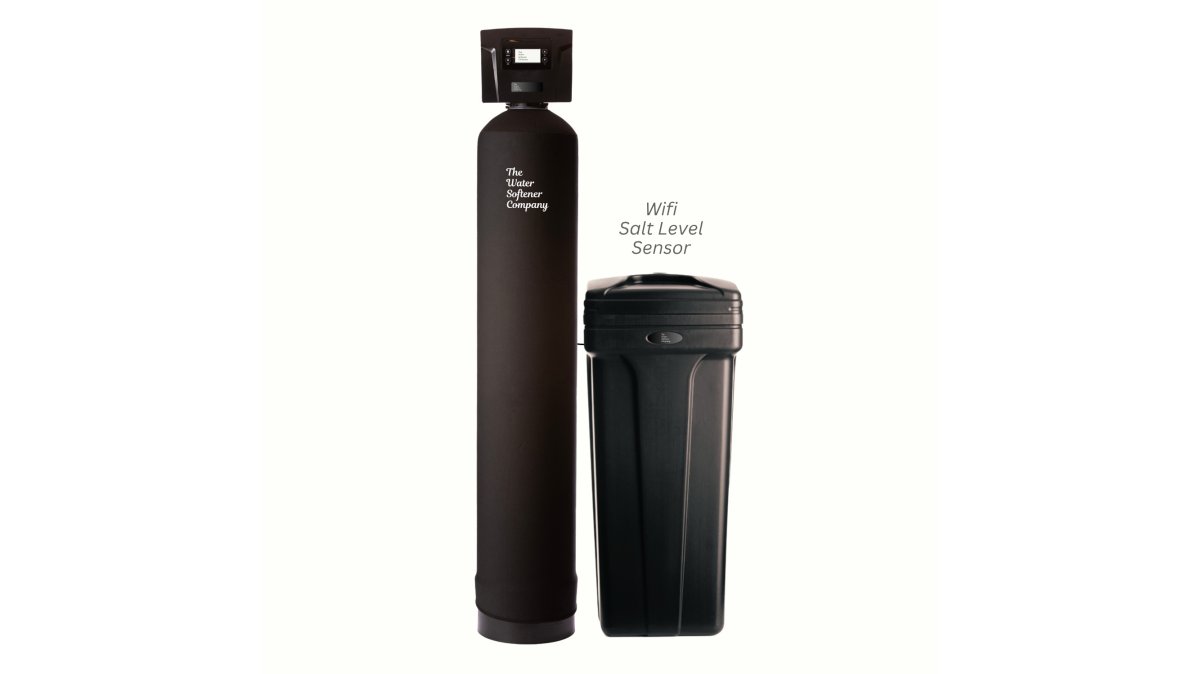
Invest in a high-efficiency system. The Water Softener Company's Soft Water System uses up to 60% less salt and water than conventional models.
Monitor water hardness annually. Test strips cost $10-$20 and reveal whether your water hardness has changed.
Drain and inspect the brine tank yourself every two years. This 30-minute task prevents sediment buildup that forces the system to work harder and consume more salt. You'll need a wet/dry vacuum and basic tools, total cost under $20 if you already own them.
Schedule service during off-season. Plumbers often charge premium rates during peak seasons (winter, summer). Booking inspections in spring or fall can save 10-15% on service fees.
Track your salt usage. Keep a log of when you add salt and how many bags.
Planning Your Water Softener Budget and Finding the Right System
Your total water softener ownership cost depends on the system you choose and your maintenance approach. Budget realistically to avoid sticker shock.
First-year costs include the system purchase ($1,900-$3,500 for The Water Softener Company models), professional installation ($500-$1,500), and initial salt stock ($100-$200). Total: $2,500-$5,200.
Annual ongoing costs range from $150-$600 depending on your choices:
- DIY maintenance with professional annual inspection: $200-$300
- Full professional service plan: $400-$600
- DIY maintenance only: $100-$200
Over ten years, a system costs $3,000-$8,200 total. This breaks down to roughly $300-$820 annually, far less than the cost of hard water damage to appliances, plumbing, and fixtures.
When choosing a system, consider your water source.
Link to see available water softener systems and pricing
Compare maintenance requirements across models. The Soft Water System's high-efficiency regeneration reduces salt costs significantly.
Request quotes from multiple installers and ask about warranty coverage. The Water Softener Company's products include five-year warranties on the valve and tank.
Maintaining a home water softener doesn't have to drain your budget. The Water Softener Company's fuss-free systems are engineered to minimize maintenance demands while delivering the soft, clean water your home deserves. Explore our water softener replacement parts and supplies to keep your system running smoothly for years to come.
Frequently Asked Questions
How much does water softener maintenance cost per year?
Annual maintenance for a water softener typically ranges from $100 to $900, though most homeowners spend $200 to $500 yearly. Salt alone costs $50 to $150 annually for average households. Professional service calls add $150 to $300 per year. The exact amount depends on your water usage, system type, and whether you handle basic tasks yourself or hire professionals for all maintenance.
What is the water softener salt cost per month?
Salt for a water softener costs roughly $5 to $20 per month, or $60 to $240 annually. A typical household with a high-efficiency system like The Water Softener Company's Soft Water System uses less salt due to precision brine regeneration, which can save up to 60% compared to older models. Actual costs vary based on water hardness, household size, and how often your system regenerates.
How often should a water softener be serviced?
Most water softeners need professional inspection and service once yearly, though some systems benefit from two annual visits if water usage is heavy. Between professional services, you should check salt levels monthly, clean the brine tank twice yearly, and monitor system performance. High-efficiency systems with automatic features require less frequent manual intervention. Regular maintenance catches small problems before they become costly repairs.
What are common water softener repair costs?
Water softener repair costs range widely depending on the issue. Service calls typically cost $150 to $300. Catching problems early through routine maintenance prevents expensive repairs. Many manufacturers, including The Water Softener Company, offer warranty coverage that reduces or eliminates repair costs during the coverage period.
Can I perform water softener maintenance myself to save money?
Yes, basic DIY maintenance saves significant money. You can add salt, clean the brine tank, and check system settings yourself. However, complex tasks like resin replacement and valve repairs are best left to professionals. The Water Softener Company includes a hardness tester with its systems so you can monitor your water quality. Simple DIY tasks keep systems running efficiently, while professional service handles repairs and annual inspections.
What factors affect how much water softener maintenance costs?
Maintenance costs depend on water hardness, household size, system age, and system type. Harder water requires more frequent salt replenishment and regeneration cycles. Larger households use more water and regenerate more often. Older systems typically cost more to maintain and repair than newer high-efficiency models. Well water systems may require additional filtration maintenance. The Water Softener Company's high-efficiency systems use up to 60% less salt and water, reducing annual operating costs compared to standard models.
How much should I budget annually for water softener upkeep?
Budget $200 to $500 annually for routine maintenance on a typical system, including salt ($50 to $150), professional service ($150 to $300), and minor repairs or filter replacements. High-efficiency systems like The Water Softener Company's models may cost less due to reduced salt and water consumption. Add extra budget for unexpected repairs, which can range from $200 to $1,200 depending on the issue. Investing in professional annual inspections often prevents larger, costlier problems.
Is it worth replacing an old water softener instead of repairing it?
If repairs exceed 50% of a new system's cost or your system is over 10 years old with recurring problems, replacement may be more economical long-term. Modern high-efficiency systems use significantly less salt and water, reducing annual operating costs. The Water Softener Company's systems save up to 60% on salt and water compared to older models, which can offset the higher upfront investment within 5 to 7 years through lower maintenance expenses.
