

9 Signs of Hard Water in a New Home You Shouldn't Ignore
Quick Summary
The most common signs of hard water in a new home are chalky white crust on faucets and showerheads, cloudy glassware, white spots on dishes, and soap scum that will not lather well. Hard water is water with high levels of dissolved calcium and magnesium, and its effects can build up slowly over weeks or months.
- Check showerheads first, since slowed flow often comes from mineral deposits clogging the small nozzle holes.
- Soft water lathers quickly and rinses clean, while hard water leaves a film and needs more soap.
- Hardness is measured in grains per gallon, and anything above about 7 is considered hard.
- Test more than one faucet if you have a well, since water quality can differ by source.
- Check dishwasher rinse aid settings before blaming water for spots on dishes.
Table of Contents
Why Hard Water Shows Up So Often in New Homes
Hard water is widespread across the United States. If you just moved into a new house and noticed white crust on the faucet or soap that will not lather, you are not imagining things. Hard water is common, and it can be tough to spot until it starts causing trouble.
Hard water is water with high levels of dissolved calcium and magnesium (Hardness of Water). These minerals come from rock and soil as water travels underground. Newer homes often rely on municipal supply or well water that picks up these minerals, and the builder may not have treated it.
Here are a few reasons hard water often shows up in new homes:
- The water source carries high mineral content
- No softening system was installed before move-in
- Mineral buildup takes weeks or months to become visible
- Fixtures and appliances hide early damage until it becomes obvious
Visible Signs: Scale, Spots and Stains on Fixtures
Hard water often leaves its mark on fixtures first. Mineral deposits build up over time and become easy to see once they accumulate.
Hard Water Stains on Faucets and Showerheads
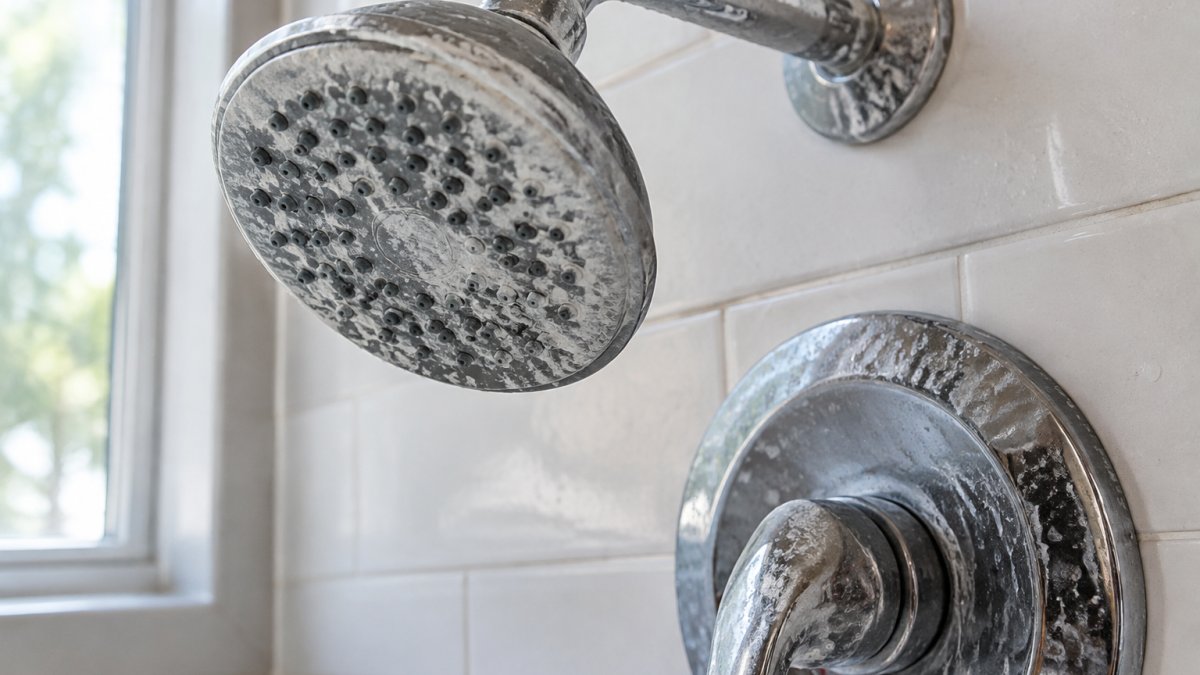
Chalky white or crusty buildup on faucets and showerheads is one of the most common signs. Over time, the flow can slow as deposits clog the small holes. Check the showerhead first, since the nozzles are easy to see.
Cloudy Glassware, White Spots and Soap Scum
Glasses that look cloudy even after washing, and dishes with white spots, usually point to minerals left behind on the surface. Soap scum on tubs, showers and sinks is another sign. Watch out: spotting on dishes can sometimes come from rinse aid problems instead, so check your dishwasher settings before assuming the water is the cause.
Signs of Hard Water on Skin, Hair and Laundry
Hard water can affect how your body and clothes feel after daily use.
- Skin that feels dry, tight or itchy after bathing
- Hair that looks dull or feels hard to manage
- Laundry that feels stiff or looks faded over time
- Soap and shampoo that do not lather well
Exposure to hard water is identified as a potential risk factor for the development of atopic eczema, according to a National Institutes of Health review (Potential Health Impacts of Hard Water). That does not mean hard water causes eczema in everyone, but families with sensitive skin may want to pay closer attention.
How to Know If You Have Hard Water or Soft Water
The easiest way to tell is to look at how soap behaves. Soft water lathers quickly and rinses clean. Hard water leaves a film and needs more soap to get a lather. Hard water also leaves visible deposits on fixtures, while soft water does not.
For a more precise answer, use a test kit. Hardness is measured in grains per gallon. Many homeowners find that anything above about 7 grains per gallon is considered hard, though your exact result will guide the next step.
How to Run a Water Hardness Test at Home
Testing at home takes only a few minutes. Here is a simple method:
- Buy a hardness test strip kit from a hardware store or online
- Run cold water for about 30 seconds to clear the line
- Dip the strip into the water for one second, then shake off the excess
- Wait one minute and compare the color to the chart on the package
- Record the result in grains per gallon
Test more than one faucet if you have a well, since water quality can differ by source. If your result is borderline, a lab test gives a more reliable reading.
Telling Hard Water Apart From Other Causes
Not every sign points to hard water. Soap scum can come from body oils or cleaning products, and spots on glass can come from a dishwasher that needs maintenance. Dry skin can come from cold weather or harsh soaps. Look for a pattern: if several signs show up together and a hardness test comes back high, hard water is the likely cause. If only one symptom appears, check other possible causes first. When dry skin is the only clue, consider other causes first, but a high hardness reading may also prompt color-treated blondes to ask Salon Pro Products how mineral buildup could affect their hair.
Choosing Your Next Step for a Hard Water Home
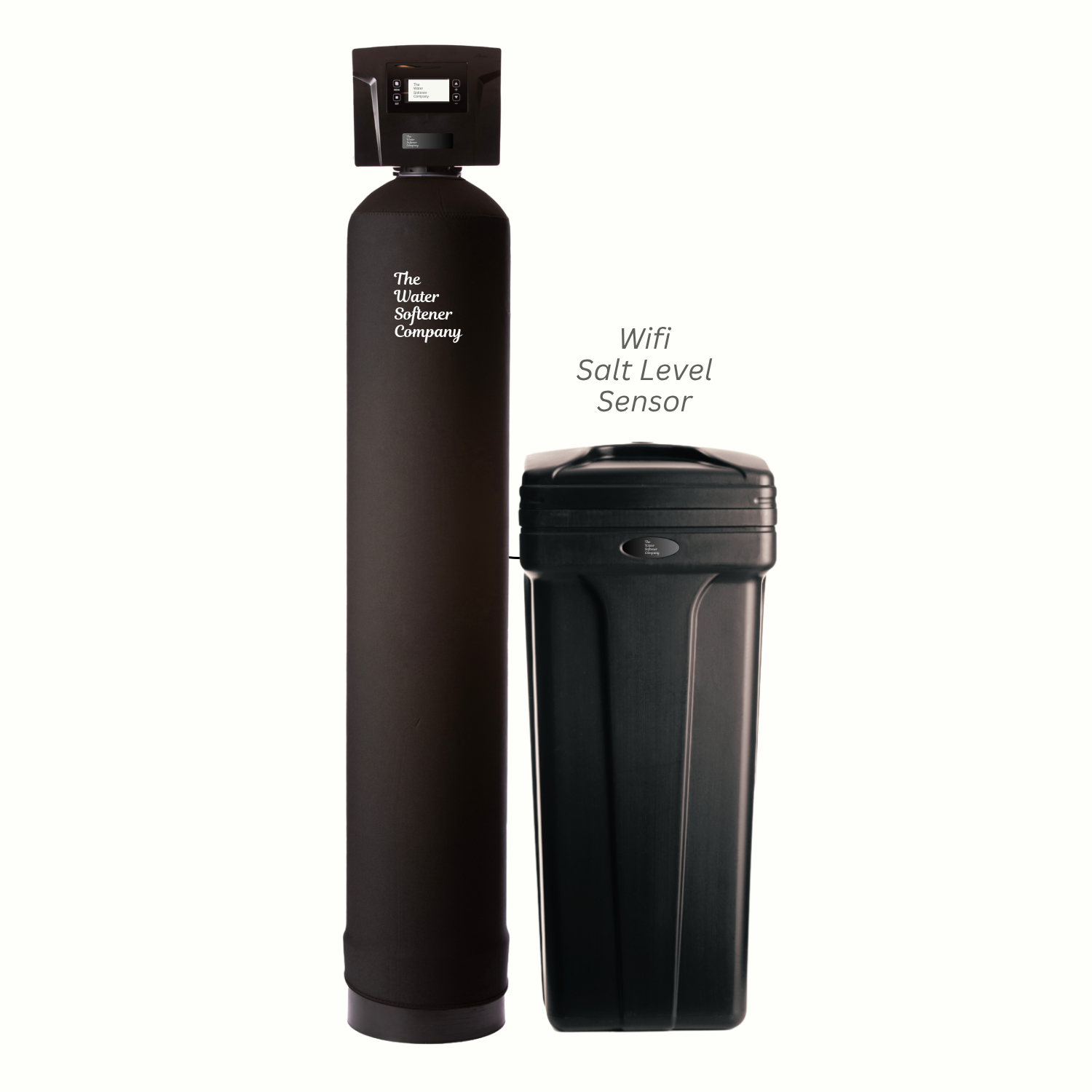
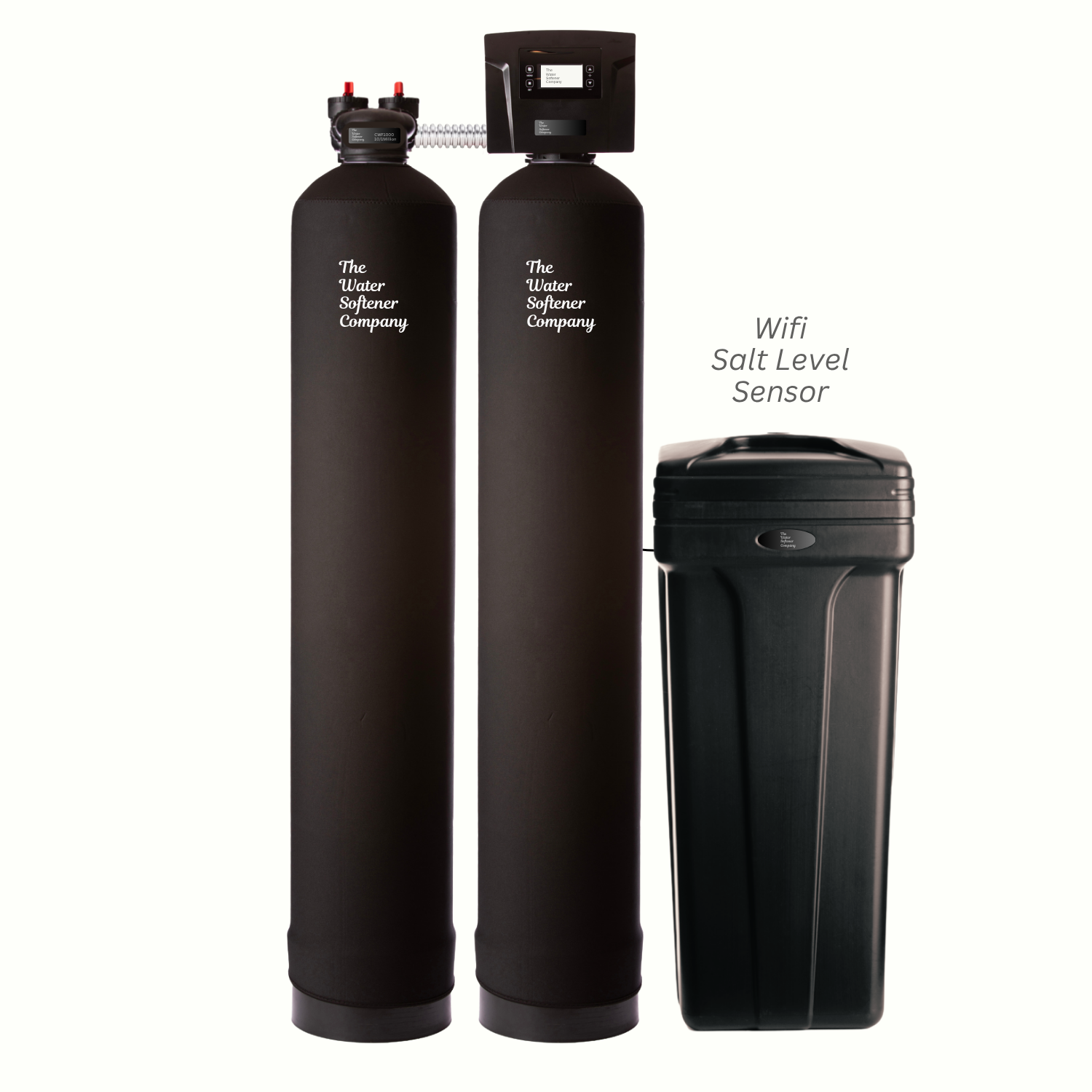
Once you confirm hard water, you have several options. Start with the most noticeable problem. For a whole-house solution, the Soft Water System is designed to soften water throughout the home and includes a hardness tester. It is priced at $1,699.00. If you also want filtration, the Lifeguard Filter & Softener combines both in one system for $2,399.00.
For scale removal on fixtures you already own, see how to remove limescale from showerheads before the buildup gets worse. For a deeper look at what hard water does to appliances, read our guide on what fails first when water is hard. If you want to plan ahead, our guide on preventing limescale in pipes explains simple steps to protect your plumbing.
If you want to test your own water, our detailed guide on testing well water hardness walks through the process. Soft water also means less soap, cleaner dishes and better results around the house. Learn more about the soft water system that fits your home's needs.
Frequently Asked Questions
How do you know if you have hard water or soft water?
The quickest signs are visible scale on faucets and showerheads, white spots on dishes, and soap that won't lather well. Soft water rinses clean, lathers easily and leaves fixtures free of chalky residue. For a definite answer, use a water hardness test kit, which measures hardness in grains per gallon. Water above about 7 grains per gallon is generally considered hard. Hard water is common across the nation, so testing is worth the few minutes it takes.
Can hard water leave spots on dishes and glass?
Yes. When water with dissolved calcium and magnesium evaporates on glassware or dishes, it leaves behind mineral deposits that appear as cloudy film or white spots. Glassware often looks dull after washing, even when it was clean. Spotting can sometimes come from rinse aid problems rather than minerals, so check your dishwasher's rinse aid level before assuming the water is the cause. If spots remain after you rule that out, hard water is the likely reason.
Is hard water bad for you?
Hard water can affect how skin and hair feel. Many people notice dry, itchy skin and dull, stiff hair after bathing in hard water. If you have sensitive skin or a skin condition, talk with a healthcare provider about what may be affecting you.
How do I fix hard water in my house?
The most common fix is a water softener, which uses ion exchange to remove calcium and magnesium before water reaches your fixtures and appliances. The Soft Water System from The Water Softener Company is designed for this purpose and includes a hardness tester to help set the correct level. It uses up to 60% less salt and water than older softeners. Before buying, confirm your home's hardness with a test and choose a unit sized for your number of bathrooms.
